Sophie Hunter and the Art of Experimental Theatre
A source-led introduction to Sophie Hunter’s directing work, and a way to look at performance through space, bodies and collaboration.
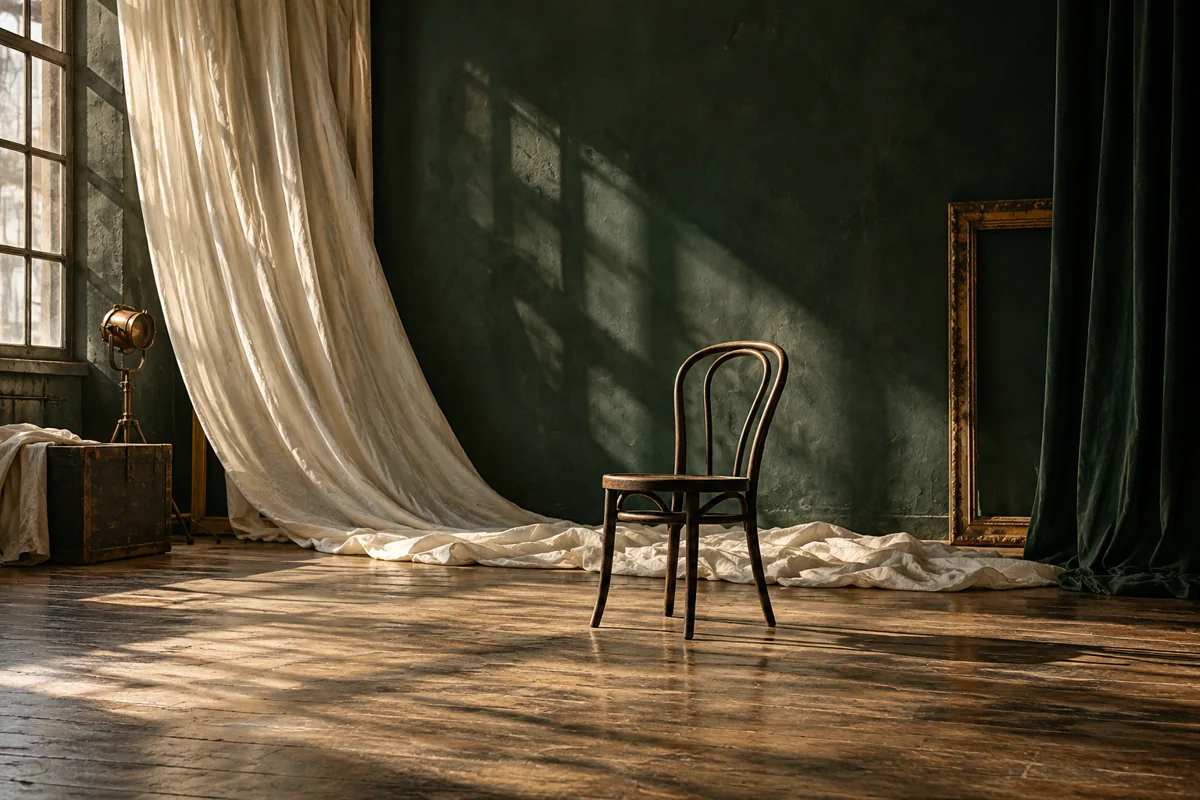
Sophie Hunter’s documented work moves between theatre, opera, film and installation. That range offers a useful starting point for understanding experimental directing: the director’s task can be to shape a relationship between bodies, sounds, images and a particular place, rather than simply illustrate a script. This article introduces a small selection of publicly recorded work. It is a reading of published material, not a review based on attending the productions or an account of Hunter’s private life.
Begin with the work, rather than the label
The term experimental can sound like a verdict delivered before a performance begins. It is more useful as a question. What is being tested? A different relationship with the audience? A new use of an existing musical work? A space that resists the usual division between stage and auditorium? These questions help a reader approach an artist without treating everything they make as evidence of one fixed style.
Maestro Arts’ artist profile identifies Hunter as a director, film-maker and visual artist. Its production list includes Britten’s Phaedra and The Turn of the Screw, alongside 69° South and Salt of the Earth. The variety matters: it places operatic repertoire beside work in other performance forms. It does not establish that every project uses the same methods, or that one collaborator deserves sole credit for a collective result.
Training as a way of seeing
An archival profile from Location One records study at Oxford and Jacques Lecoq in Paris, work across performance and directing, and the 2007 Oxford Samuel Beckett Award. This is an institutional record from a particular period. Its references to forthcoming projects should be read as historical plans, not a current schedule or proof that each planned production happened.
The distinction is small but useful. Artist biographies often compress years of development into a list. A reader can slow that list down by separating training, announced projects and completed work. None of these categories automatically describes what an audience experienced. They establish a framework for further looking, rather than replacing it.
Space can become a collaborator
In a May 2026 interview with Maestro Arts, Hunter describes a Venetian salt warehouse as the starting point for Salt of the Earth. She connects the project with salt marsh research, the story of Lot’s wife and collaboration beyond the arts. In the same interview she discusses physical presence, her training and the challenge of making room for collaborators with different working methods.
One way to interpret that account is to see the site as an active part of the work. A warehouse has a scale, an acoustic and a material history before anyone enters it. A director can work with those properties instead of concealing them behind a conventional set. That is our interpretation of the account, rather than a claim about how every spectator understood the finished project.
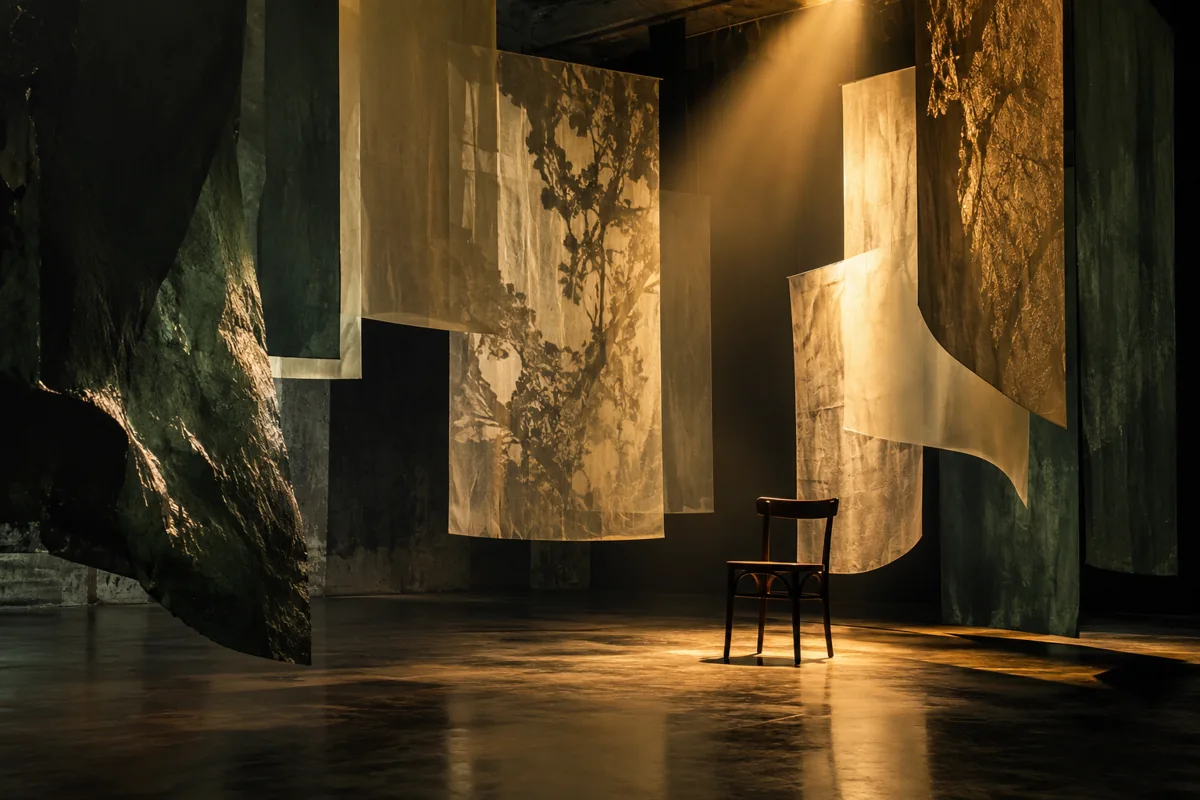
Consider an imagined performance in a narrow corridor. A performer who waits at the far end will produce a different encounter from one standing within arm’s reach. The words might be identical. Distance changes how the invitation feels. This simple example helps explain why space deserves attention alongside dialogue and design.
Opera offers another kind of structure
The production records for Phaedra at Happy Days, Enniskillen and The Turn of the Screw at Snape Maltings and LSO St Luke’s establish specific repertoire and venues. They should not be treated as interchangeable entries under a vague heading such as avant-garde.
A useful general distinction is that staging a musical score requires attention to durations that spoken drama may allow a company to vary more freely. A singer’s movement must coexist with breath, musical phrasing and the practical conditions of being heard. A director’s visual idea has to meet a performer’s physical task. This is a way of thinking about opera-making, not a reconstruction of Hunter’s rehearsal decisions.
A practical viewing method
If you encounter production photographs or an authorised recording, start with a neutral description before deciding what it means. Record where the performers stand, what material occupies the space and which areas are lit. Then ask how those choices direct attention. A high platform might isolate a figure; it might also give that figure authority. The surrounding action determines which reading is more persuasive.
Keep the limits of the medium in view. A still photograph cannot tell you how long a gesture lasted. A trailer can rearrange time and emphasise moments that occupy little of the complete work. A review offers a situated response rather than access to every intention. Comparing these materials makes the inquiry richer, provided their differences remain visible.
Keep a record of your own questions
A short viewing notebook can help separate what you have seen from what you have inferred. Divide a page into three parts: observable detail, possible interpretation and information still missing. You might note a performer facing away from the audience, wonder whether the position suggests withdrawal, and leave open how the preceding action affects that reading. This method works with photographs as well as recordings, provided you record which medium you used. It also leaves room to revise an initial response after finding a fuller production record.
What this example offers an arts reader
Hunter’s public record provides an entry into directing as an arrangement of relationships: performer and space, voice and image, individual skill and shared purpose. That is a more useful starting point than trying to reduce a varied practice to a slogan. It also allows a newcomer to ask precise questions without claiming expertise they do not yet have.
The next time you look at a stage image, give the room as much attention as the person in it. Ask what the space permits, what it resists and what kind of listening it asks from an audience. Experimental theatre becomes easier to approach once curiosity has something concrete to work on.
To explore the formal questions behind this profile, read our introduction to experimental theatre.